Vegan postnatal nutrition: eating well after birth on a plant-based diet
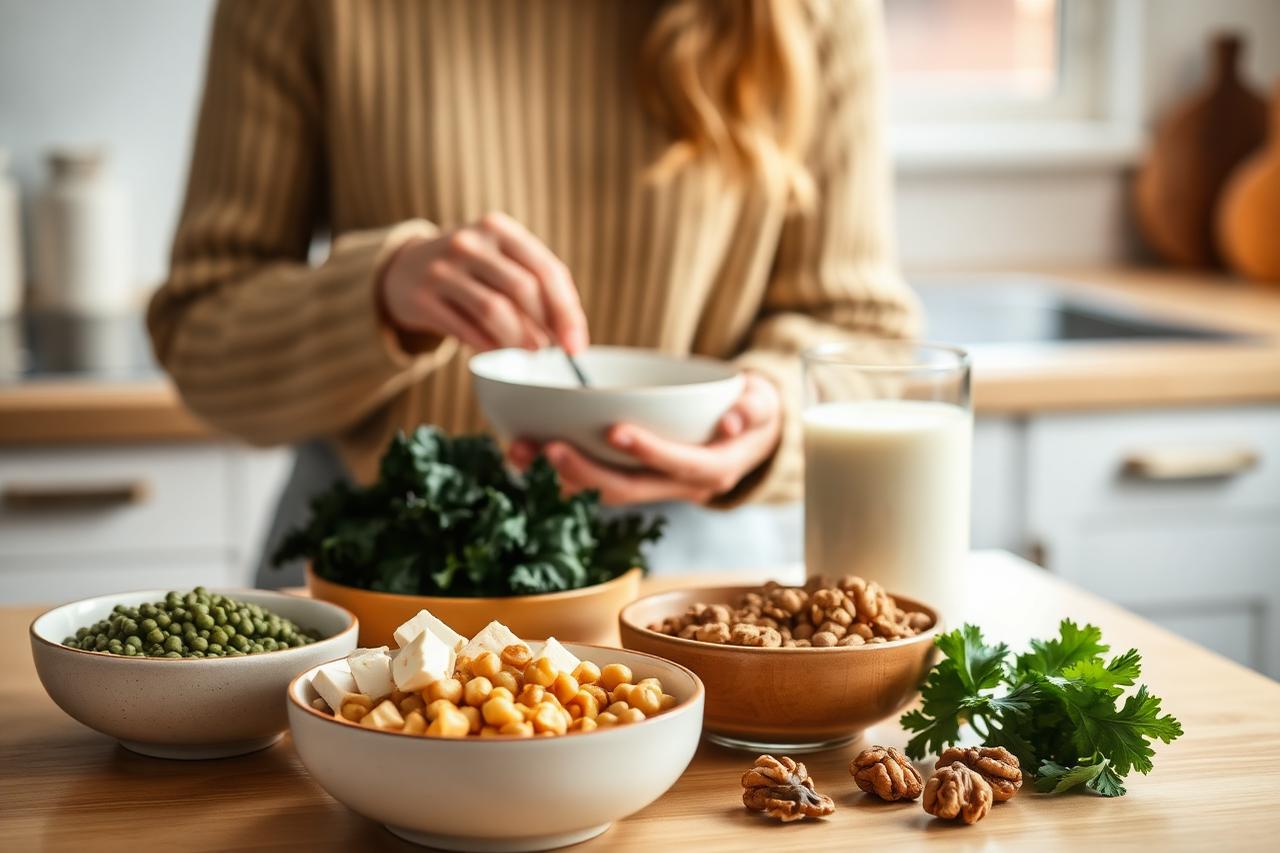
The NHS is clear that a vegan diet can be healthy at every life stage, including pregnancy and breastfeeding, as long as it is planned. Planning is the hard part when you have a newborn — so this guide is about the few nutrients that genuinely need attention, and the easiest ways to cover them.
The non-negotiable: vitamin B12
There is no reliable natural plant source of B12. If you are vegan and breastfeeding, you need a dependable supply from a supplement or consistently from fortified foods (fortified plant milk, fortified nutritional yeast, some breakfast cereals). Your milk reflects your intake.
B12 deficiency in a breastfed baby of a vegan mother is rare but serious, and the NHS specifically flags it. This is the one to be strict about. Take the supplement daily, and keep it next to the kettle so it happens.
Vitamin D
Everyone in the UK should consider 10 micrograms a day, and more so if you are indoors with a newborn through the winter. Choose a vegan-certified D3 (lichen-derived) or D2 supplement. Your baby needs their own drops if breastfed.
Iodine — the one people miss
Iodine is important for your baby's brain development, and the main UK sources are dairy, eggs and white fish. Most plant milks are not fortified with iodine unless the carton explicitly says so. Seaweed is not a reliable substitute, because the iodine content varies enormously and kelp can deliver far too much.
Practical answer: check whether your plant milk is iodine-fortified, and if not, use a supplement that provides around 150 micrograms of iodine (as potassium iodide). Avoid high-dose kelp supplements.
Iron, and how to actually absorb it
Plant iron is absorbed less readily, so the pairing matters more than the total.
Good sources: lentils, chickpeas, kidney beans, tofu, tempeh, fortified cereals, pumpkin seeds, cashews, dried apricots, dark leafy greens.
To boost absorption:
- Add vitamin C to the same meal — peppers, tomatoes, citrus, berries
- Keep tea and coffee away from mealtimes
- Soak or sprout pulses when you have the energy; canned is completely fine when you do not
Omega-3
Vegan diets provide ALA (walnuts, flaxseed, chia, rapeseed oil) but little of the long-chain DHA associated with infant brain and eye development. An algae-derived DHA supplement is the direct fix and is widely available.
Calcium
Aim for fortified plant milks and yoghurts (shake the carton — the calcium settles), calcium-set tofu, tahini, almonds, kale and pak choi. Note that organic plant milks are often not fortified at all, so read the label rather than the branding.
Protein and energy
Recovery and milk production need enough energy, and plant-based meals can be bulky and filling before they are calorie-sufficient. Keep concentrated options close: nut butters, hummus, tahini, tofu, seitan, soya yoghurt, nuts and seeds.
Combine pulses with grains across the day — beans on toast, lentil dhal with rice, hummus in a wrap — and protein quality takes care of itself.
A day that works when you are exhausted
- Breakfast: fortified porridge with soya milk, chia, berries, a spoon of peanut butter
- Snack: soya yoghurt and dried apricots; hummus and oatcakes
- Lunch: wholemeal wrap with hummus, falafel, spinach, roasted peppers
- Dinner: lentil and tomato dhal with rice and greens, or a chickpea tray bake
- Daily: B12, vitamin D, iodine, algal DHA
The supplement shortlist
Written out plainly, so a partner can buy it:
- Vitamin B12 — daily
- Vitamin D 10 micrograms — daily
- Iodine around 150 micrograms — daily, unless your fortified foods reliably cover it
- Algal DHA — daily
- Iron only if your GP has advised it
How Circle helps
Feeding a newborn on a planned diet takes admin, and admin is what fails at 3am. Circle's shared shopping list lets anyone in your circle top up the fortified milk, the tofu and the supplements before they run out — and the shared log means the person doing the shop already knows how the day has gone.
Ten days free, then £1.99 a month for everyone in the circle.
This article is general information, not medical advice, and reflects NHS guidance at the time of writing. If you are vegan and breastfeeding, discuss supplements with your GP, midwife, health visitor or a registered dietitian, especially B12 and iodine.