To every mum: does it get easier? Yes — and here is how you cope until it does
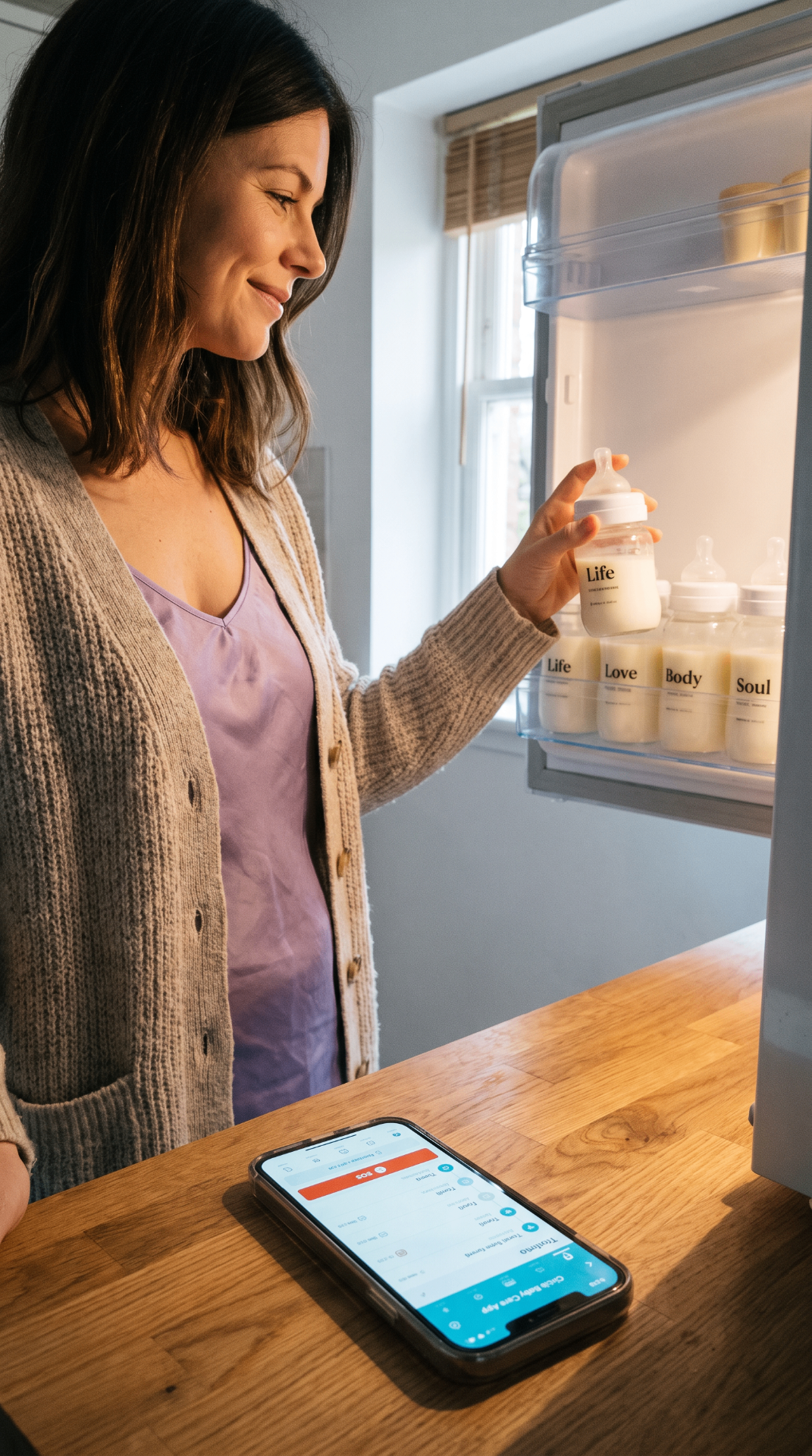
If you have typed "does it get easier" into your phone at 3am with one thumb, a baby on your chest and cold tea beside you — this is for you. No advice you did not ask for. No selling. Just a thank you, and an honest answer.
The short answer: yes, it gets easier
Not all at once, and not in a straight line. But it does change, and the change is real.
- Weeks 0-6: the hardest stretch for most families. Feeds are frequent, day and night look identical, and your body is still healing.
- Weeks 6-12: the first social smiles arrive, feeds usually space out a little, and most babies start to give you one longer stretch at night.
- 3-6 months: patterns appear. You start to predict the day instead of surviving it.
- 6-12 months: the baby becomes a small person with opinions. Different hard, but a hard you can see coming.
Nothing here is a promise about your exact baby. Sleep is not linear, teeth happen, illnesses happen. But almost every mother who has been through it says the same thing: the fog lifts, and one day you notice it lifted a while ago.
Thank you — properly
Mothers are the earliest and most powerful influence on almost every mind that has ever changed anything, and it is one of the least recognised jobs on earth. The work happens at 4am with no audience. Nobody claps when you get the latch right, when you hold a baby through a two-hour scream and stay gentle, when you put yourself last for the hundredth day running.
So: thank you. For the silent sacrifices, the ones nobody logs and nobody sees. You are doing something enormous, and it counts even on the days it feels like nothing.
How do I cope? Small things that actually help
When people ask how to cope, they are rarely asking for a routine. They are asking how to get through today. These are the things mothers tell us made a difference.
1. Shrink the day
Do not plan the week. Plan the next feed. If the next feed is all you can see, that is enough of a plan.
2. Say the ask out loud
"Can you hold her for twenty minutes while I shower" is a complete sentence. People want to help and usually do not know what to offer. Naming it removes the guesswork.
3. Eat and drink like it matters — because it does
A glass of water at every feed and something with protein at every meal changes how the afternoon feels. Recovery is physical, not just emotional.
4. Get outside once
Ten minutes of daylight, pram or sling, no destination. It resets the day more reliably than almost anything else.
5. Lower the bar on purpose
A fed baby, a safe baby and a mother who is still standing is a successful day. Everything else is optional.
6. Stop comparing to the internet
The mothers with tidy houses and matching muslins are also crying somewhere off camera. You are seeing a highlight, not a benchmark.
When it is more than tiredness
Coping has limits, and reaching them is not failure. Speak to your midwife, health visitor or GP if you have:
- Felt low, numb, tearful or anxious most of the day for more than two weeks
- Lost interest in things and people you normally care about
- Frightening or intrusive thoughts, or thoughts of harming yourself or the baby
- Panic, racing heart or a constant sense of dread
Postnatal depression and anxiety are common and very treatable, and asking early makes recovery faster. In the UK the NHS pages on postnatal depression and mental health in pregnancy and after birth are a good starting point. If you need to talk now, Samaritans are available free, day and night, on 116 123.
What we see in the data — and in the messages
Families who share the load do better. Not because someone else does more, but because the mother stops being the only person who knows what happened today. That single change — the log being shared instead of remembered — takes a surprising weight off.
You do not need an app to do that. A note on the fridge works. But whatever you use, let someone else carry part of the knowing.
If today was hard
Then today was hard, and tomorrow is a different day. You have already survived every single one of your worst days so far. That is a record worth respecting.
Remember: each day, each sacrifice and each kiss shapes not only your child, but the type of amazing parent they will become too. You are starting an amazing chain for generations.
Well done. Keep going. It does get easier — and you are the reason it will.